The One-Session Default
The standard qualitative research practice in product teams is one interview per participant. You recruit, screen, schedule a 45-60 minute session, conduct it, and move on. The logistics make sense: budgets are tight, timelines are compressed, and single sessions are easier to schedule.
But this default carries a hidden cost. First interviews produce a specific type of data -- data shaped by impression management, rehearsed narratives, and the participant's uncertainty about what the interviewer actually wants. Second interviews produce fundamentally different data, and most research programs never access it.
What Changes in the Second Session
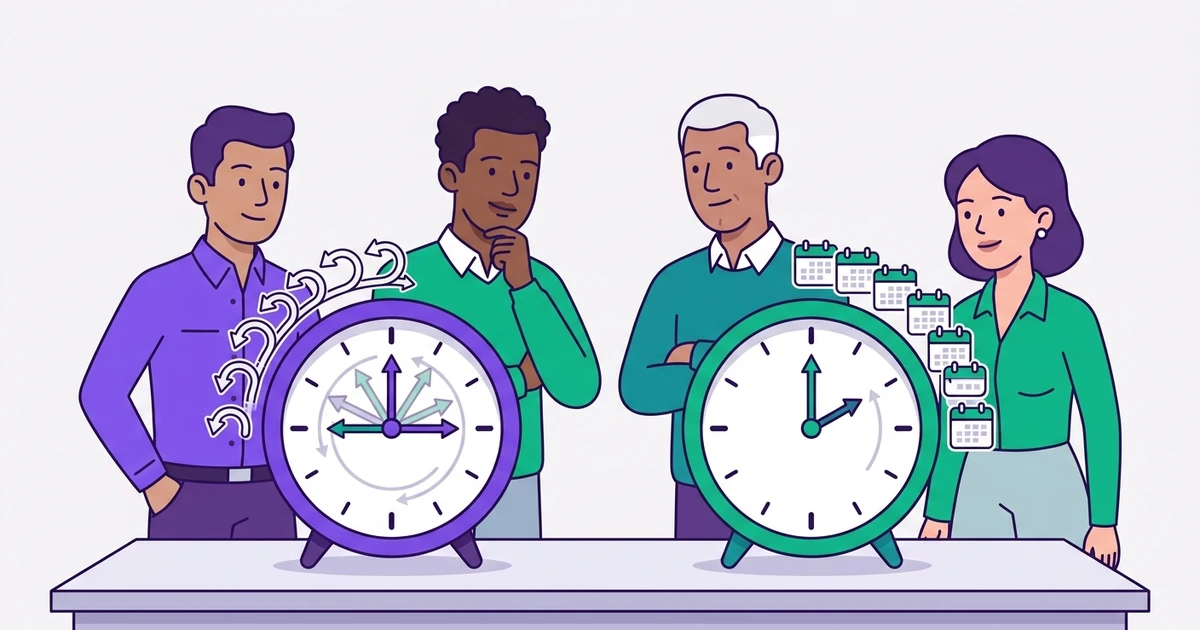
The performance drops. In first interviews, participants present a curated version of themselves. They want to appear competent, rational, and consistent. They give answers that make narrative sense rather than answers that reflect messy reality. By the second session, the social performance has relaxed. Participants contradict their first-session statements, reveal behaviors they initially omitted, and describe experiences with less editorial polish.
Specificity increases. First sessions tend to produce general claims: "I usually do X" or "Most of the time I feel Y." Second sessions produce concrete instances: "Last Tuesday when I was trying to do X, what actually happened was..." The shift from general to specific is dramatic and consistent across participant types.
Reflective depth emerges. Between sessions, participants unconsciously process the research topic. They notice things they would not have noticed without the first conversation priming their attention. The second session captures not just their existing knowledge but their emergent understanding -- insights that literally did not exist before the first interview made them possible.
Trust enables vulnerability. Participants share sensitive, embarrassing, or contradictory information more readily when they have already experienced one session where they were listened to without judgment. The rapport is not just social comfort -- it is earned trust that the researcher will handle their disclosures respectfully.
The Rehearsed Narrative Problem
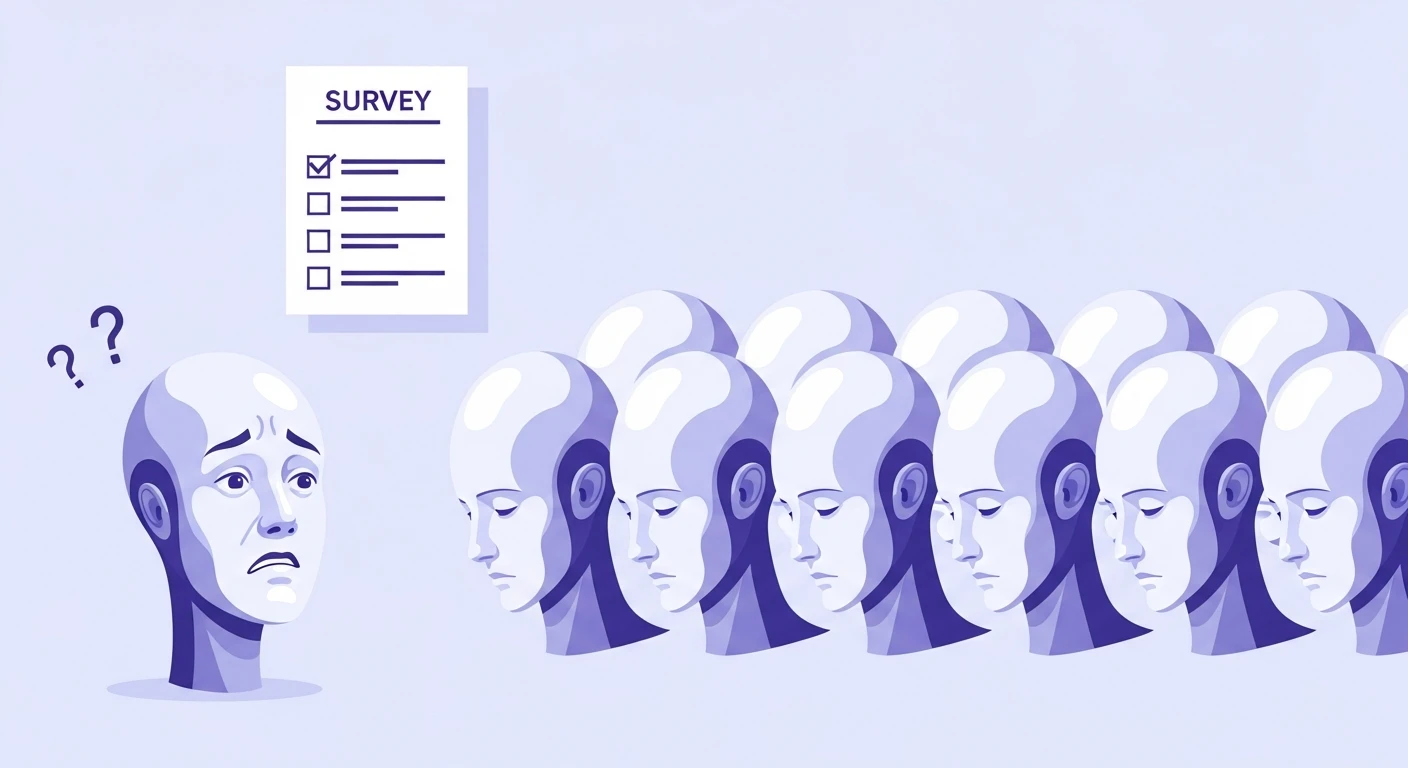
Every participant arrives at a first interview with what we might call a "ready story" -- a pre-formed narrative about their experience that they have told themselves (and possibly others) multiple times. This narrative is coherent, logical, and usually wrong in important ways.
The narrative coherence bias means participants construct logical stories from chaotic experiences. First interviews capture these constructed stories. Second interviews, with careful probing, can surface the underlying chaos -- the contradictions, the irrational moments, the behaviors that do not fit the narrative.
Consider a participant who says in session one: "I switched to your competitor because they had better pricing." In session two, with trust established and the topic primed, they might reveal: "Actually, I switched because my colleague kept talking about it and I felt behind. The pricing thing is what I told my manager."
The first answer is the rehearsed narrative. The second is the lived truth. Single-session research almost always gets the first answer only.
Why Teams Resist Multi-Session Designs
Budget pressure. Two sessions per participant means either half the participants or double the cost. Research managers optimize for sample breadth over individual depth.
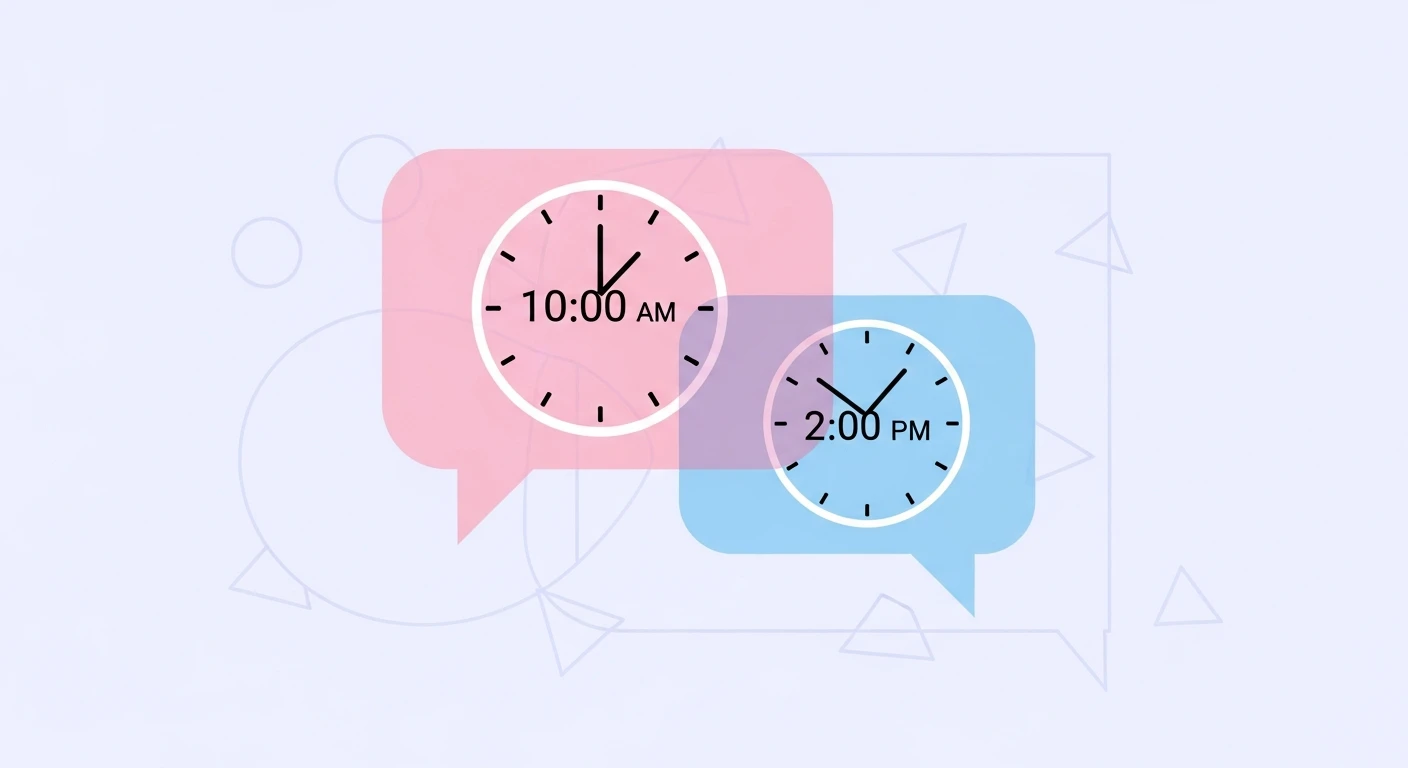
Timeline compression. Multi-session designs require gaps between sessions -- typically one to two weeks. Teams operating in sprint cadences cannot wait.
Diminishing returns assumption. The belief that "we got what we needed in session one" is pervasive but untested. Teams assume additional sessions add incrementally rather than producing qualitatively different data.
Logistics complexity. Scheduling one session is hard. Scheduling two with the same participant, at the right interval, with continuity of researcher, is significantly harder.
These are real constraints. But they do not change the data quality reality: single sessions systematically capture a shallower layer of participant experience.
Designing Effective Follow-Up Sessions
The second interview is not simply "the first interview again." It requires different design principles:
Start with reflection, not repetition. Open with "Since we last talked, have you noticed anything about [topic]?" This captures the between-session processing that makes second interviews valuable.
Probe contradictions from session one. Review your notes and identify moments where the participant's account was inconsistent or surprisingly neat. Use the second session to explore those seams: "Last time you mentioned X, but you also said Y. Help me understand how those fit together."
Go concrete where session one was abstract. If the participant gave general statements in session one, use session two to request specific instances. "You mentioned you 'usually' do X -- can you walk me through the last time you actually did it, step by step?"
Leverage the priming effect. The first session primes participants to notice relevant behaviors between sessions. Use this: "Did anything happen this week related to what we discussed?" Often the between-session observations are more valuable than either session alone.
This approach aligns with how probing techniques for depth work -- but with the added advantage that trust and priming have had time to develop between sessions.
When Second Sessions Are Worth the Investment
Multi-session designs are not always necessary. They are most valuable when:
- The topic involves social desirability. Health behaviors, financial decisions, workplace politics -- anywhere participants have reason to present a polished version of reality.
- You need behavioral specificity. When general claims are insufficient and you need detailed accounts of actual behavior in context.
- The experience unfolds over time. Onboarding flows, adoption journeys, habit formation -- processes that cannot be meaningfully captured in a single retrospective session.
- Previous research hit a ceiling. When single-session studies consistently produce findings that feel surface-level or fail to generate actionable design direction.
This maps to the broader insight from diary studies revealing what interviews miss -- longitudinal methods access experiential layers that single-point-in-time methods cannot reach.
The Economic Argument
The cost argument against second sessions assumes linear returns: two sessions produce twice the data at twice the cost. But the returns are non-linear. Second sessions often produce the breakthrough insights that first sessions miss entirely.
Consider the total cost of a research study that produces findings nobody acts on versus one that produces fewer but more actionable insights. When research findings sit unused because they lack the depth to compel action, the cost of shallow research is hidden but real.
A study with 5 participants across two sessions each often produces richer, more actionable findings than a study with 10 participants in single sessions. The depth-over-breadth trade-off favors second sessions when insight quality matters more than coverage.
Practical Implementation
For teams ready to experiment with multi-session designs:
- Start small. Add second sessions to one study per quarter. Compare the depth of findings to your single-session baseline.
- Select strategically. Use multi-session designs for high-stakes research questions where shallow findings carry real business risk.
- Optimize the interval. One to two weeks between sessions is ideal -- enough time for between-session processing, not so much that context decays.
- Brief the same researcher. Continuity matters. The trust built in session one does not transfer to a different researcher in session two.
- Record between-session prompts. Send participants a brief prompt midway between sessions: "Notice any moments this week related to what we discussed." This enhances the priming effect without being intrusive.
The second interview effect is one of the most reliable quality improvements available to qualitative researchers. It requires no new tools, no methodological revolution -- just the discipline to return to the same participant after the rehearsed narrative has been delivered, and the trust has been earned, to ask: "Now tell me what actually happened."