Every nonprofit knows the challenge: funders want evidence of impact, but gathering that evidence through traditional research methods costs money you'd rather spend on programs.
The result? Many organizations rely on basic output metrics (meals served, workshops held, people reached) when what funders and stakeholders really want to understand is outcomes—how did beneficiaries' lives actually change?
AI-powered qualitative research is changing this equation. Here's how nonprofits are using these tools to capture authentic beneficiary voices without breaking their budgets.
The Evaluation Challenge for Nonprofits
Qualitative evaluation—understanding beneficiaries' experiences in their own words—has traditionally been expensive:
Professional evaluators: External consultants charge $150-300/hour. A comprehensive evaluation can cost $30,000-100,000.
Staff time: Internal evaluation means pulling program staff away from service delivery.
Analysis burden: Transcribing and analyzing interviews manually takes weeks.
Scale limitations: Budget constraints mean hearing from only a handful of beneficiaries.
The result is that most nonprofits either skip qualitative evaluation entirely or conduct it only for major grants, missing valuable feedback that could improve programs.
What Beneficiaries Actually Want to Tell You
When you do create space for beneficiaries to share their experiences, the insights are invaluable:
- What's actually working in your programs (not what you think is working)
- Unintended consequences both positive and negative
- Barriers to access that staff might not see
- Suggestions for improvement from people living the experience
- Stories of transformation that bring your mission to life
These insights matter for program improvement, funder reporting, board communication, and strategic planning. The question is how to gather them affordably.
AI-Powered Research for Nonprofits
Modern AI research tools address the core cost drivers of traditional evaluation:
Automated Data Collection
AI-moderated interviews can conduct one-on-one conversations with beneficiaries at any time, in multiple languages. This means:
- No scheduling logistics
- No interviewer training
- Beneficiaries participate when convenient for them
- Consistent interview quality across all participants
A nonprofit that could previously afford 10 evaluation interviews can now conduct 100 at similar cost.
Instant Transcription and Analysis
AI transcription eliminates the transcription bottleneck. Multi-lens analysis then processes transcripts through multiple analytical frameworks simultaneously:
- Thematic analysis surfaces recurring patterns
- Sentiment analysis identifies emotional responses
- Journey mapping tracks beneficiary experiences over time
- Impact indicators highlight evidence of outcomes
What used to take an evaluator weeks to analyze can be processed in hours.
Accessible Pricing
Purpose-built nonprofit research tools recognize that every dollar spent on evaluation is a dollar not spent on programs. Usage-based pricing means you pay for what you use, not expensive annual licenses.
Real Applications for Nonprofits
Program Evaluation
Traditional approach: Hire external evaluator, conduct 15-20 interviews over 2 months, wait 6-8 weeks for analysis, receive report.
AI-assisted approach: Deploy AI interviews to 50+ beneficiaries, receive transcripts and thematic analysis within days, iterate on follow-up questions as patterns emerge.
Result: Richer data, faster insights, lower cost.
Needs Assessment
Traditional approach: Community meetings (which only engaged community members attend) plus limited surveys.
AI-assisted approach: AI interviews accessible via smartphone, conducted in beneficiaries' preferred languages, at times convenient for them.
Result: Broader participation, especially from harder-to-reach populations.
Funder Reporting
Traditional approach: Scramble to gather qualitative data as grant reports come due, rely on anecdotes staff remember.
AI-assisted approach: Continuous beneficiary feedback collection throughout grant period, ready-to-use quotes and themes for reports.
Result: Compelling qualitative evidence always available when needed.
Board Communication
Traditional approach: Present statistics that board members struggle to connect with.
AI-assisted approach: Share direct beneficiary quotes and stories extracted from AI-analyzed interviews.
Result: Board members understand impact viscerally, not just numerically.
Case Study: Youth Development Nonprofit
A youth mentoring organization wanted to understand why some participants thrived while others dropped out. Traditional evaluation budget: $0.
Using AI-powered interviews, they:
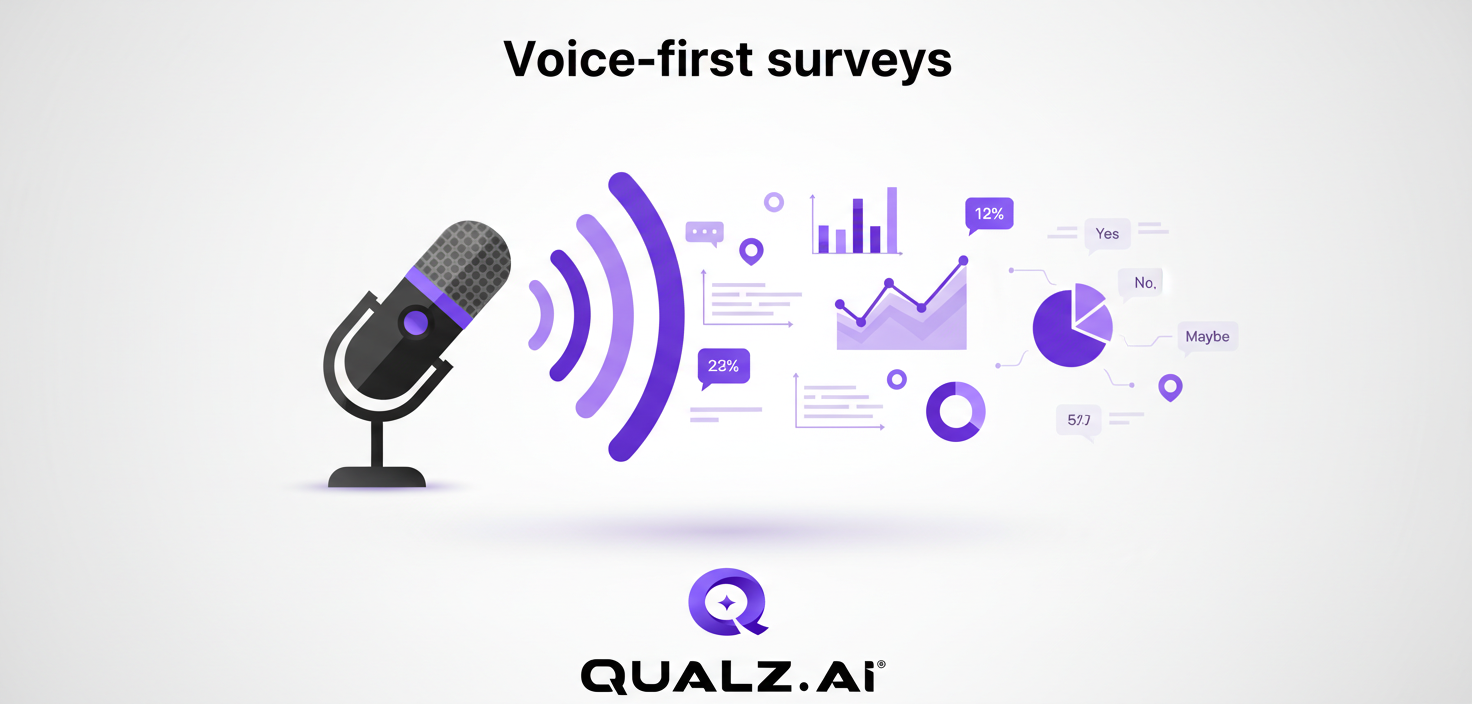
- Deployed voice-based interviews accessible via participants' phones
- Collected responses from 75 current and former participants
- Used AI analysis to identify patterns in successful vs. unsuccessful mentoring relationships
- Discovered that scheduling flexibility (not match quality) was the primary predictor of retention
Cost: Under $500
Time: 3 weeks from deployment to actionable findings
Impact: Program redesign that improved retention by 40%
Ethical Considerations
AI research tools amplify research capacity, but they don't eliminate ethical obligations:
Informed Consent
Beneficiaries should understand:
- That they're interacting with AI (not a human)
- How their responses will be used
- That participation is voluntary
- How to withdraw if they change their minds
Power Dynamics
Beneficiaries may feel pressure to respond positively to organizations that provide them services. AI interviewers can actually help here—people are sometimes more honest with technology than with humans who might judge them.
Data Protection
Beneficiary data is sensitive. Ensure your platform has appropriate security, especially for vulnerable populations.
Human Oversight
AI analysis is a starting point, not an endpoint. Staff should review findings, check that AI interpretations make sense, and bring human judgment to conclusions.
Getting Started: A Practical Path
Phase 1: Pilot (Week 1-2)
- Identify one program for initial testing
- Draft interview guide with 5-7 open-ended questions
- Deploy AI interviews to 15-20 beneficiaries
- Review transcripts and AI analysis
Phase 2: Refine (Week 3-4)
- Adjust questions based on pilot findings
- Expand to additional participants
- Test multi-language capability if relevant
- Document what you're learning for future evaluations
Phase 3: Scale (Ongoing)
- Integrate beneficiary feedback into regular operations
- Use findings for funder reports and board updates
- Expand to additional programs
- Build institutional capacity for evidence-based improvement
The ROI of Beneficiary Voice
Nonprofits often hesitate to spend on evaluation when those dollars could fund services. But consider:
Grant competitiveness: Funders increasingly prioritize organizations with strong qualitative evidence of impact.
Donor retention: Major donors want to see real stories, not just statistics.
Program effectiveness: You can't improve what you don't understand.
Staff morale: Hearing directly from beneficiaries reminds staff why their work matters.
The question isn't whether you can afford to invest in beneficiary voice. It's whether you can afford not to.
Conclusion
AI-powered research tools don't replace the fundamentally human work of nonprofit service. They amplify it by making beneficiary perspectives accessible, affordable, and actionable.
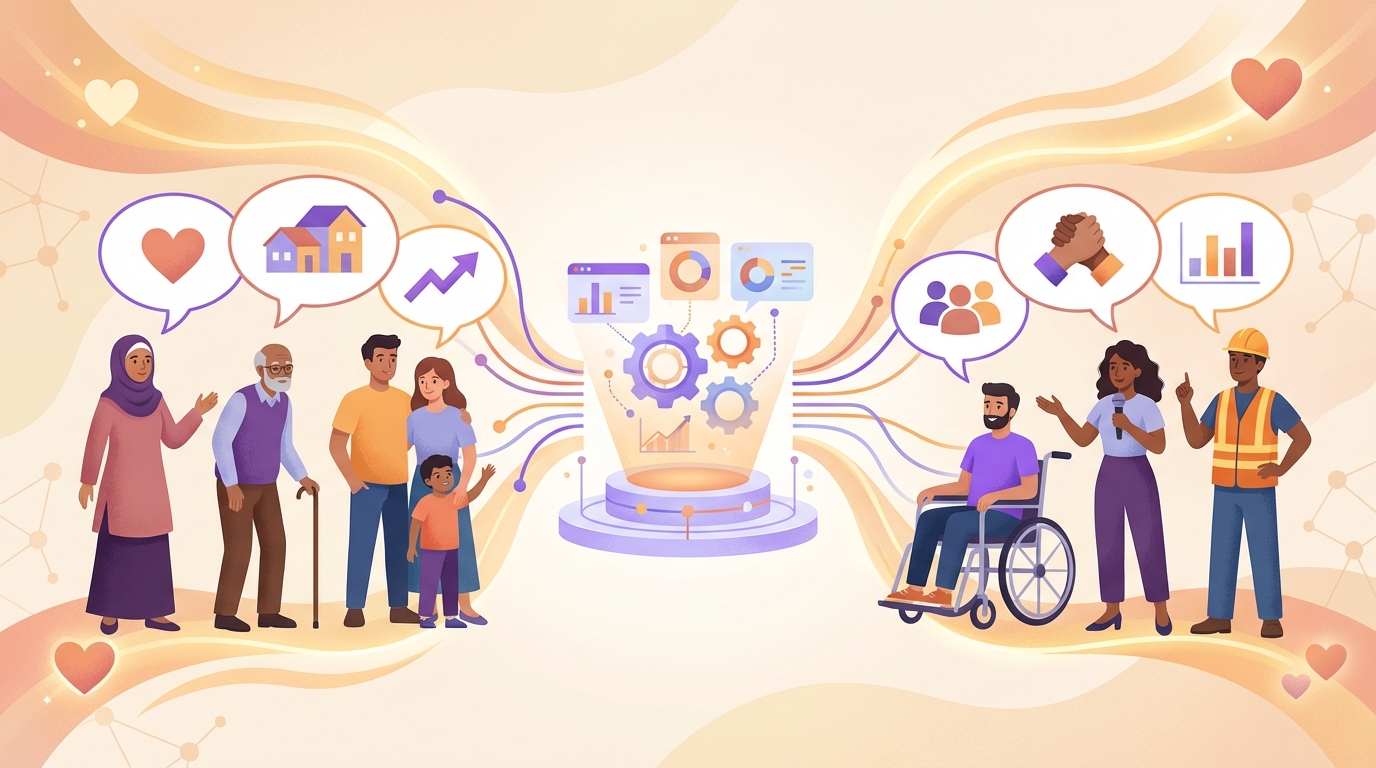
When beneficiaries can share their experiences in their own words—and when those words can be systematically analyzed and acted upon—programs improve, funders engage, and mission impact deepens.
That's amplification worth investing in.
Ready to amplify beneficiary voices in your programs? Explore nonprofit research solutions or request a demo to see how AI-powered evaluation works.