The Coding Obsession
Ask any qualitative researcher about their analysis workflow and they will describe coding: reading transcripts, applying labels, grouping themes, counting frequencies. Modern research tools reinforce this -- every platform offers tagging, highlighting, and code management features. Coding has become synonymous with qualitative analysis itself.
But coding is a sorting mechanism, not a thinking mechanism. It tells you what categories exist in your data. It does not tell you why those categories matter, how they relate to each other, or what theoretical implications they carry. That work happens in memos -- and most teams have stopped writing them.
What Analytical Memos Actually Are
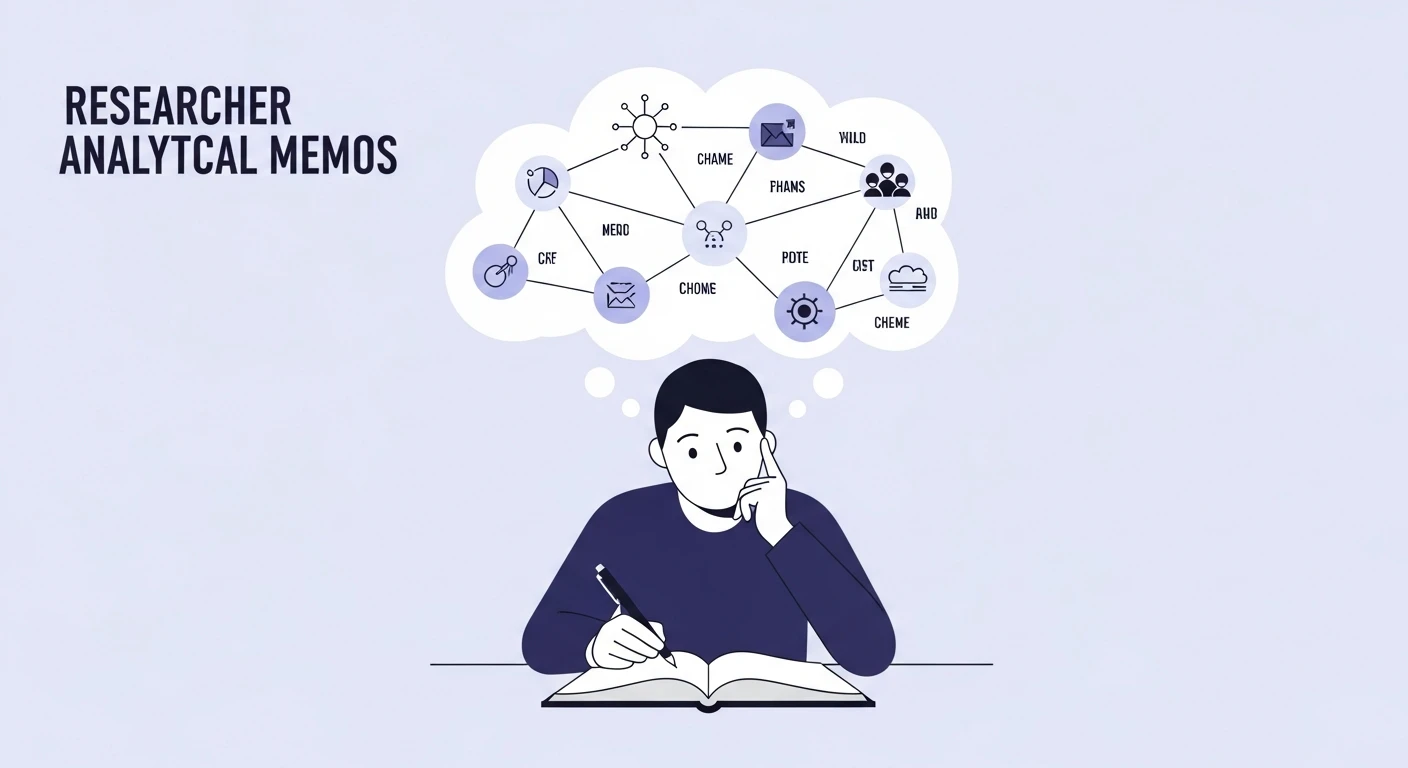
Analytical memos are written reflections that researchers compose during analysis. They are not summaries. They are not field notes. They are active thinking captured in prose -- the researcher working through connections, contradictions, and implications in real time.
A memo might explore:
- Why two participants described the same workflow in fundamentally different terms
- How a surprising code connects to a pattern observed three interviews ago
- What a contradiction between stated preferences and observed behavior might indicate about the underlying mechanism
- Why the emerging framework does not account for a specific participant's experience
The founders of grounded theory -- Glaser and Strauss -- considered memos the primary analytical product and codes merely an organizational scaffold. Somewhere in the professionalization of qualitative research, this hierarchy inverted. Understanding the distinction between sorting codes and generating insight helps explain why coding alone produces shallow findings.
Why Coding Without Memos Fails
Codes capture surface patterns, not mechanisms. When you code a passage as "frustration with onboarding," you have categorized an observation. But you have not explained why this particular frustration differs from the frustration described by the previous participant, whether it connects to a systemic issue, or what it implies for design. That interpretive work requires writing -- sustained, exploratory prose that forces the researcher to articulate their thinking.
Code frequencies mislead without context. Reporting that "12 of 15 participants mentioned pricing concerns" sounds rigorous. But without memos explaining what those pricing concerns actually mean in context -- whether they indicate genuine barriers, social performance, anchoring effects, or something else entirely -- the frequency is meaningless. The principles of contextual annotation apply here: codes without interpretive context lose meaning over time.
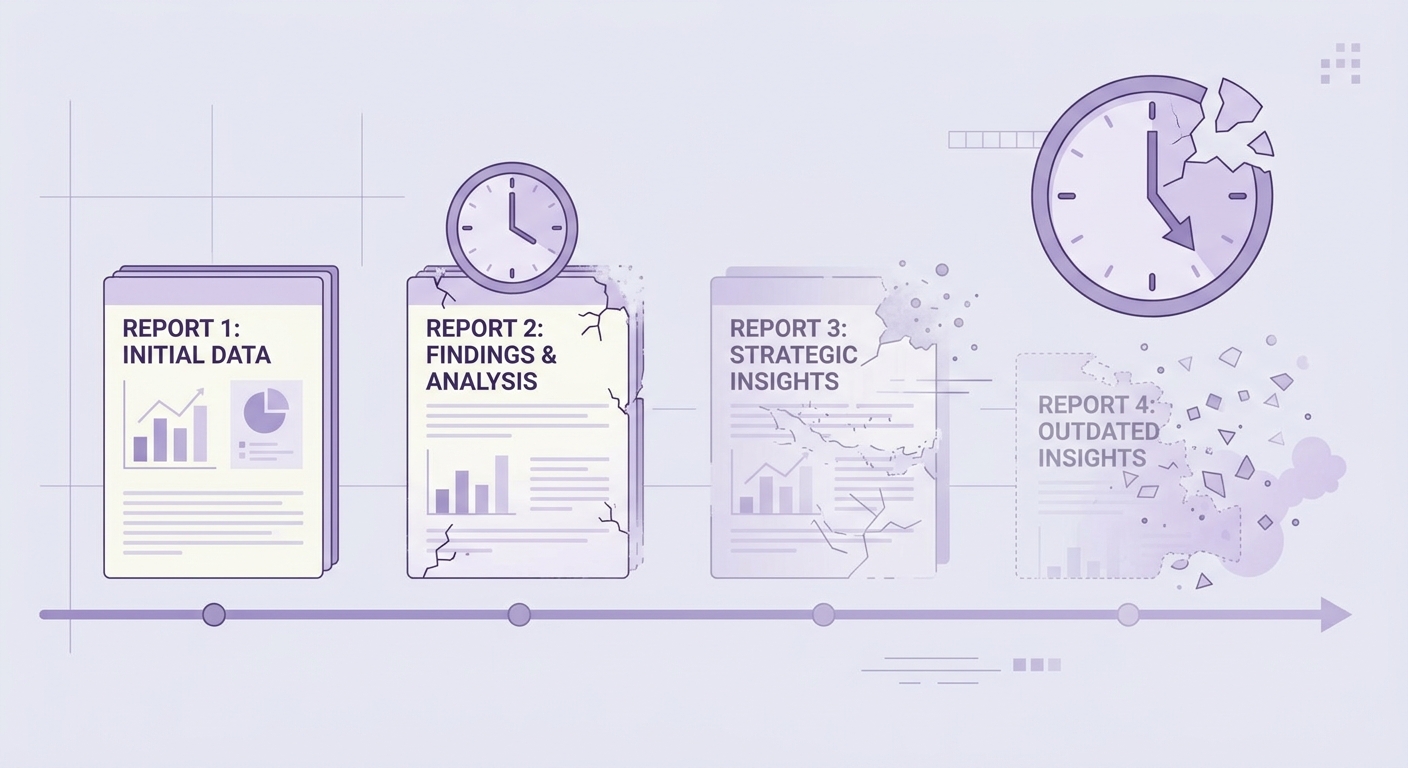
Team analysis requires externalized thinking. When a solo researcher codes data, the connections between codes live in their head. When that researcher leaves, goes on vacation, or simply forgets their reasoning three months later, the analysis becomes opaque. Memos externalize the thinking, making it auditable, shareable, and revisitable. This is particularly critical for collaborative analysis sessions where multiple researchers need to understand each other's reasoning.
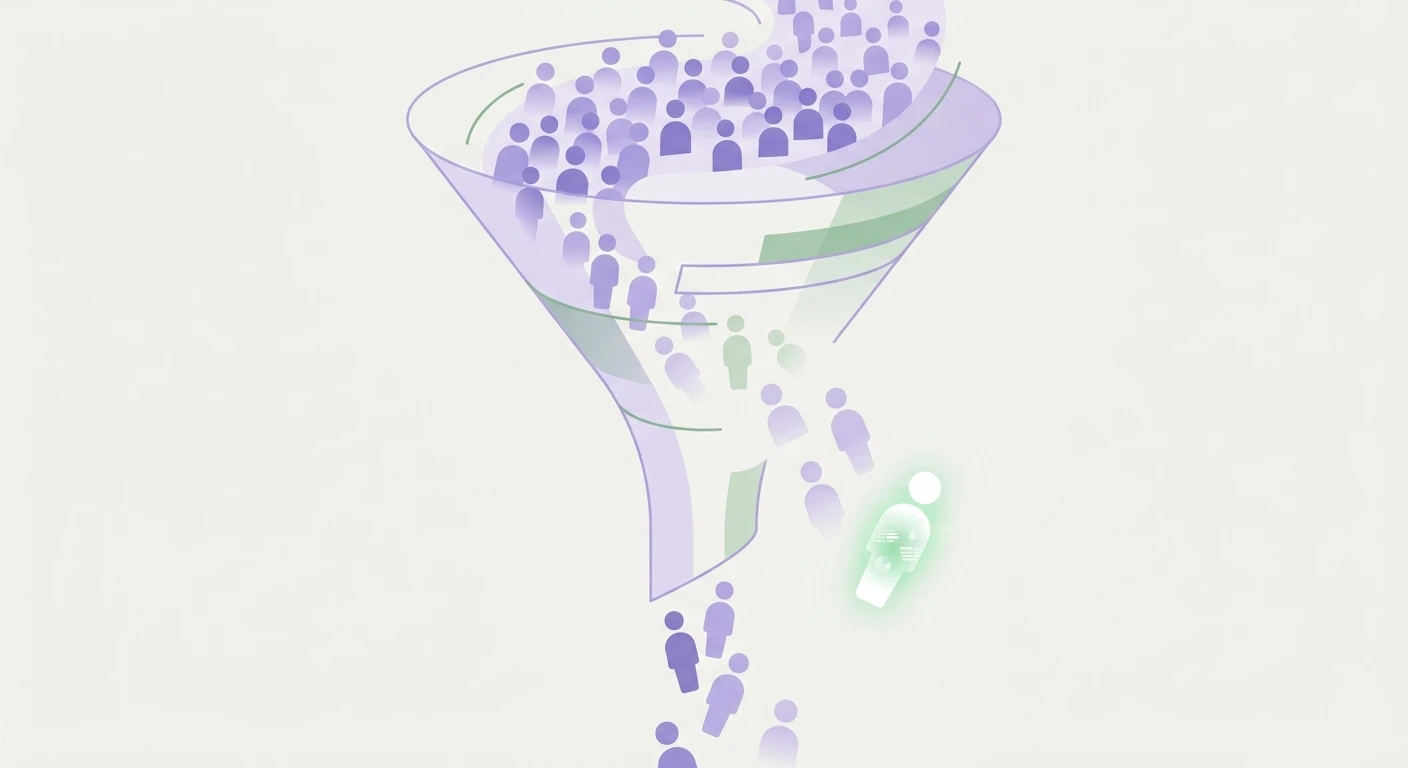
Coding is convergent; memoing is generative. Coding reduces data into categories. Memoing generates new understanding from data. Both are necessary, but teams that only code produce analyses that describe what participants said without explaining what it means or why it matters.
The Memo Types That Drive Insight
Process memos document analytical decisions: why you created a code, why you merged two codes, why you split a category. These create an audit trail for your thinking and help prevent interpretation drift as analysis progresses over days or weeks.
Theoretical memos explore connections between categories. What is the relationship between "frustration with onboarding" and "preference for self-service"? Is one causing the other? Are they both symptoms of something deeper? These memos generate the relational claims that transform a code list into a framework.
Contradiction memos investigate cases that do not fit. When a participant's experience contradicts your emerging understanding, a dedicated memo forces you to either revise your framework or articulate why the case is genuinely exceptional. This prevents premature closure -- the temptation to ignore disconfirming evidence because it complicates a clean narrative.
Integration memos attempt synthesis. After writing dozens of focused memos, integration memos ask: what is the story here? How do these pieces connect? What framework or model emerges from the accumulated analytical work? These are often the raw material for the final report's core argument.
Implementing Memoing in Modern Workflows
The reason most teams have abandoned memoing is practical: it feels slow, it does not map neatly to sprint timelines, and tools do not support it well. Here is how to reintroduce it without disrupting your workflow:
Write a two-paragraph memo after every third transcript. You do not need to memo after every interview. But pausing every few sessions to write reflectively -- what am I noticing? what surprised me? what does not fit? -- prevents the mechanical coding drift where researchers stop thinking and start just labeling.
Memo at code creation, not just application. When you create a new code, write a paragraph explaining why. What does this code capture that existing codes do not? What is the boundary between this code and adjacent ones? This discipline prevents code proliferation -- the granularity trap where researchers create hundreds of codes that cannot be synthesized.
Use memos as team alignment tools. Share analytical memos in team standups instead of code frequency reports. A memo that says "I am noticing that enterprise users describe collaboration differently from SMB users -- not in degree but in kind" generates more productive team discussion than "collaboration mentioned 23 times."
Treat memo writing as legitimate analysis time. The biggest barrier to memoing is the perception that it is extra work on top of "real" analysis. In fact, memoing is the analysis. Coding is the preparation. Teams that understand this allocate memo time explicitly in their project plans.
The AI Opportunity in Memoing
As AI reshapes qualitative analysis workflows, there is an opportunity to reinstate memoing as a central practice. AI can handle the mechanical work of initial coding -- sorting, labeling, pattern detection -- while researchers focus on the interpretive work that requires human judgment: memo writing.
This division of labor actually restores the original hierarchy. Let machines sort; let humans think. The result is research that produces not just coded data but actual understanding -- frameworks, mechanisms, and theories that explain behavior rather than merely categorizing it.
The teams producing the strongest insights in 2026 are not the ones with the most sophisticated coding tools. They are the ones that write. Building robust evaluation approaches for AI-assisted coding only works when researchers maintain the interpretive layer that gives codes meaning.
Starting Tomorrow
If your team has not written analytical memos in months, start small. After your next analysis session, take fifteen minutes to write freely about what you are seeing. Do not structure it. Do not optimize it. Just think on paper about what the data is telling you and what it might mean.
That single practice -- sustained, reflective writing about your data -- will produce more insight than another hundred applied codes ever could.